Can a Stone Remnant Work for a Bathroom Vanity Top in Wichita?
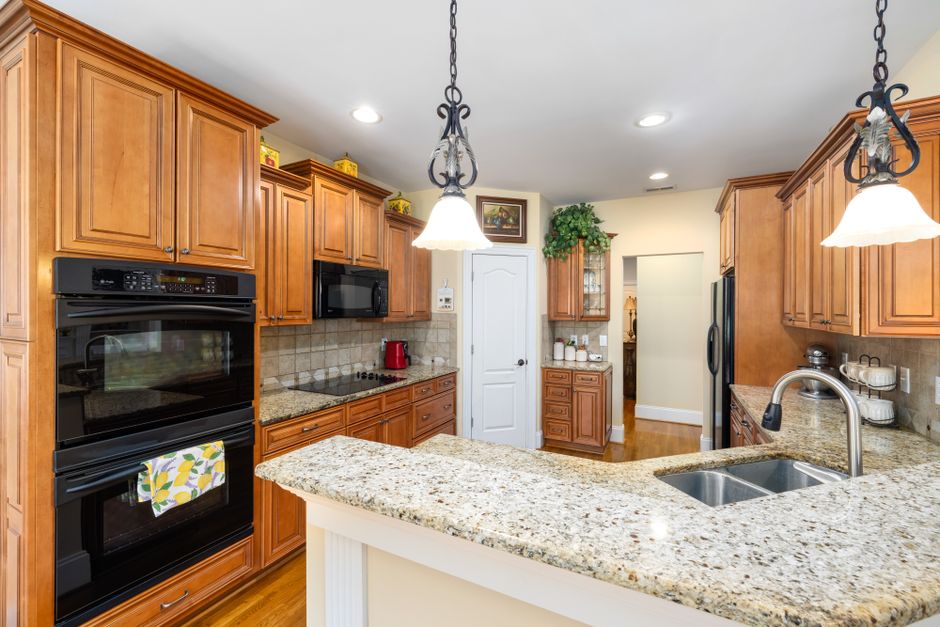
A leftover stone remnant can work very well for a bathroom vanity top, and a vanity is the project remnants suit best. The top is small, the run is short, and one piece with no seam is realistic. The catch is that "big enough" is not the same as "will work." The sink cutout, the faucet holes, the splash strips and the direction of the veining all take stone, and a remnant that barely covers the cabinet often cannot give all of it.
Remnants are not lower quality stone. They are offcuts from the same slabs that fill full kitchens. Each piece still needs a close look, because an offcut can come from near a damaged area of a slab.
Measure the Cabinet Before You Shop
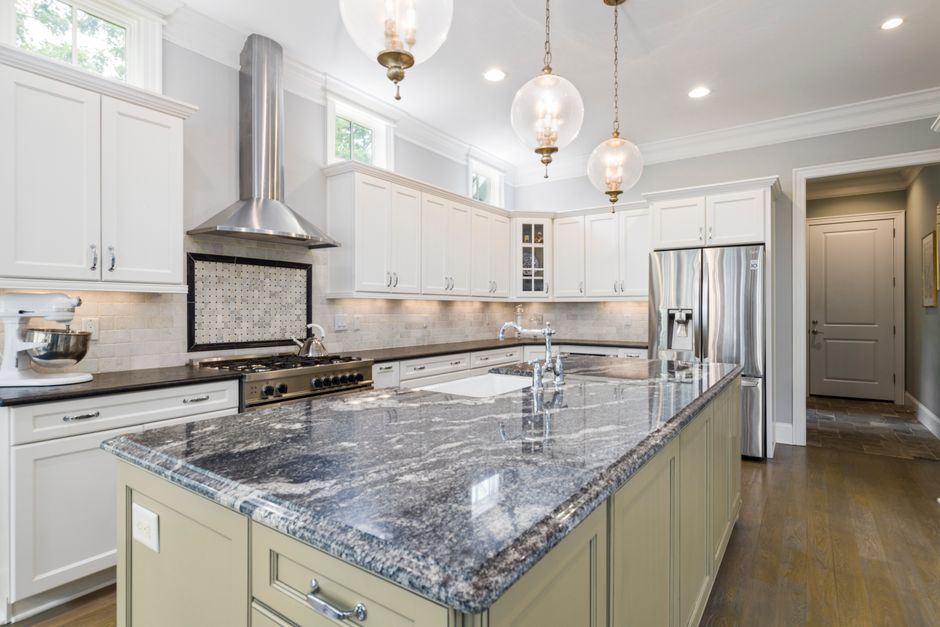
Bring exact numbers to the stone yard, not estimates. Many vanity tops run about 22 inches deep, which gives a small front overhang past a cabinet near 21 inches deep. The remnant has to cover the full width, the full depth and that overhang.
Wichita has plenty of older ranch homes where walls are out of square or floors have settled over the decades. A vanity tucked in an alcove between two walls needs a template made on site. A tape measure is not enough, because stone cannot flex to fit an out-of-square opening the way a laminate top can be scribed and trimmed.
Check the Cabinet Itself
Stone is far heavier than laminate or cultured marble. An older particleboard vanity with water damage near the sink base can sag or fail under it. Replace swollen panels, and make sure the cabinet is fastened to the wall studs before the top goes on.
Budget Stone for the Splash Strips
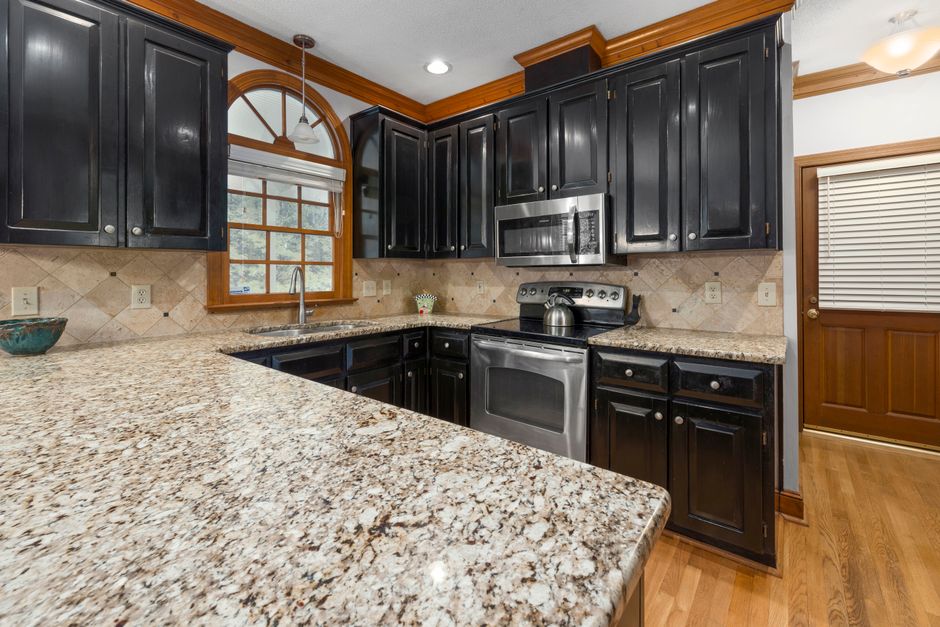
A backsplash and side splashes are normally cut from the same remnant, so the color and pattern match. A piece that only just covers the top often cannot also yield those strips. Decide up front whether you want them, and count them in when you compare pieces.
Keep the joint between the top, the splash and the wall flexible. Kansas winters are dry and summers are humid, so wood cabinets and walls move slightly through the year. A caulk joint absorbs that movement. Grouting everything solid invites hairline gaps.
Pick a Piece That Needs No Seam
On a short run, a seam is avoidable. A good seam is subtle, but it can usually be seen and felt, and on a vanity it would be more noticeable than any savings are worth. Choose a remnant that lets the top be one piece.
Decide the Sink and Faucet First
The sink comes before the stone. Have the sink on hand, or its manufacturer cutout template, before fabrication starts. An undermount sink needs a precise cutout with a polished inside edge, and vessel and drop-in sinks need different cutouts entirely.
The faucet type matters just as much, and it has to be settled before any holes are drilled:
- Single hole faucets need one hole.
- Centerset faucets have holes about 4 inches apart.
- Widespread faucets have holes about 8 inches apart.
Holes cannot be moved or filled cleanly afterward.
Leave Enough Stone Around the Cutout
The narrow strips of stone between the sink cutout and the front edge, or between the cutout and the faucet holes, are where cracks most often start. They can fail during installation or years later. When a remnant is tight, a fabricator may tell you it will not work, and that honest answer saves you a broken top.
Inspect the Remnant in Good Light
Look at the front and the back. Check for:
- Fissures and cracks, especially ones that run across the veining
- Pits and resin-filled voids
- Chipped factory edges
Turn the piece over when it is natural stone. Some slabs carry a fiberglass mesh and resin backing, a sign the stone needed reinforcement. Ask the fabricator whether that particular piece is sound enough to take a sink cutout.
Know What Material You Are Buying
Granite, marble, quartzite and engineered stone behave differently, and a remnant tag can be wrong. Ask the yard what the piece is, then test a hidden spot for how it reacts to a scratch and to a drop of acid.
Bathroom Habits Change the Best Choice
Marble and limestone etch from acids. Toothpaste, some cosmetics, lemon-based cleaners and vinegar can dull the surface, and a bathroom delivers those every day. Sealer slows staining but does not stop etching. A dense granite or an engineered stone is more forgiving.
Engineered stone, the category that includes brands like Cambria, contains resin binders. Curling irons, straighteners and other hot styling tools set directly on it can scorch or discolor it. It is not heatproof. Use a heat-resistant pad or holder on any vanity, and especially on engineered stone.
Granite does not escape maintenance either. Porosity varies widely, and some granites absorb water and oils.
Match Thickness and Edge to the Remnant
Remnants come in 2 cm and 3 cm. A 2 cm piece is lighter, but it is typically installed over a plywood subtop or given a built-up edge so it looks thicker and resists cracking. Ask which method your fabricator uses.
Edge options depend on the piece. Thin stock and chipped factory edges limit the choices. A simple eased or bullnose edge is usually the safest on a remnant, and it chips less in daily use than a sharp square edge.
Leave the Cutting to a Shop
Do not cut or grind a remnant yourself, and engineered stone most of all. It contains a high level of crystalline silica (silicon dioxide), and dry cutting releases dust that causes silicosis, an incurable lung disease. Natural stone contains silica too. Working outdoors does not remove the hazard. A fabrication shop has wet cutting and proper respiratory protection.
Plan the Old Top Removal
Many older Wichita bathrooms have a one-piece cultured marble top with a built-in bowl. Pulling it may show that the drain sits where the new sink will not line up. Check the drain and supply positions against the new sink location before the stone is cut, not after.
Care After Installation
Seal natural stone and test the seal. Drip water on granite, marble or quartzite and wait several minutes. If it darkens the stone, reseal. Engineered stone is nonporous and needs no sealer.
If your tap water leaves white scale around the faucet, wipe the area dry after use and clean it with a pH-neutral stone cleaner. Acidic scale removers will etch marble and can strip sealer from other natural stone.
Use pure silicone, not acrylic latex, where the top meets the wall. Silicone stays flexible and resists mildew in a damp room. Recaulk when you see cracks, gaps or dark mildew that will not clean off.
Stone is not indestructible. Edges chip, thin sections near cutouts crack, and soft stones scratch and etch. Treat the top with ordinary care and it will outlast most of what surrounds it.
Using a Remnant for a Bar Top
The same remnant logic covers small bar tops, with a few extra checks.
Support the Overhang
A 3 cm stone overhang beyond roughly 10 inches generally needs brackets, corbels or a steel support, and thinner stone needs support sooner. People lean and sit on bar tops, so do not push the limit.
Measure the Path to a Basement Bar
Basements are common in Wichita, and the stairway is often the hard part. Measure the stair width, the turn at any landing and the headroom. A stone piece is carried on edge and cannot bend around a tight turn.
Choose Natural Stone Outdoors
For an outdoor bar, use natural stone, not engineered stone. Wichita's strong summer sun can yellow or fade the resin, and winter freeze and thaw can damage porous stone that absorbs water. A dense, well-sealed granite is the safer pick.
Secure the Piece Before It Sells
Remnant inventory turns over quickly. Once you settle on a piece, ask the yard to tag or hold it. Get in writing what the quoted price includes: fabrication, the sink cutout, edge work and installation. That one confirmation prevents most surprises between choosing the stone and having a finished vanity.